Trauma & EMDR

What happened to you does not have to keep feeling as though it is happening now.

Trauma can remain present long after an experience has ended. You may understand intellectually that you are safe, yet your body reacts quickly to reminders, relationships, conflict, places, sensations, or situations that connect to what happened.
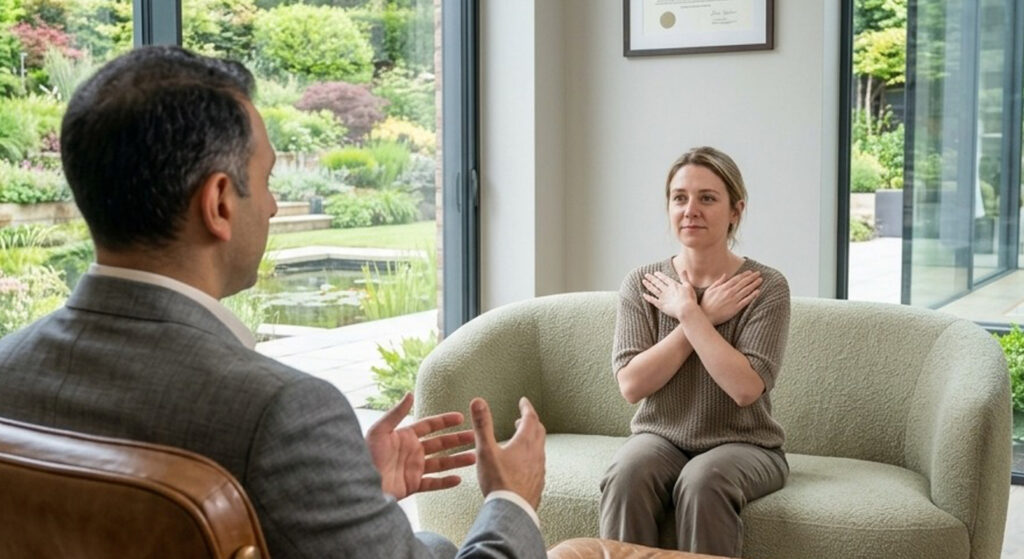
Trauma counselling can help you understand these responses, strengthen your sense of safety, and process difficult experiences at a pace that respects your needs.

Trauma Can Show Up in Different Ways

Trauma Is Not Only About the Memory

Trauma can affect the nervous system, beliefs about yourself and others, emotional regulation, relationships, and your sense of safety. Sometimes the most difficult part is not remembering what happened. It is how your mind and body continue responding today.

Our work focuses on helping you develop greater stability and choice so that past experiences have less control over your present life.

How Trauma Counselling Can Help

Build Safety and Stability
Develop grounding and emotional regulation strategies before moving into deeper trauma processing.
Understand Your Triggers
Recognize what activates your nervous system and learn how to respond with greater awareness and choice.
Reduce Distressing Symptoms
Work with anxiety, intrusive memories, avoidance, sleep difficulties, shame, and emotional overwhelm
Process Difficult Experiences
When appropriate, work with traumatic memories so they become less emotionally intense and disruptive.
Strengthen Relationships
Explore how trauma may affect trust, closeness, boundaries, conflict, and emotional safety.
Reconnect With Your Life
Move toward the relationships, activities, goals, and sense of self that matter to you.

What Is EMDR?

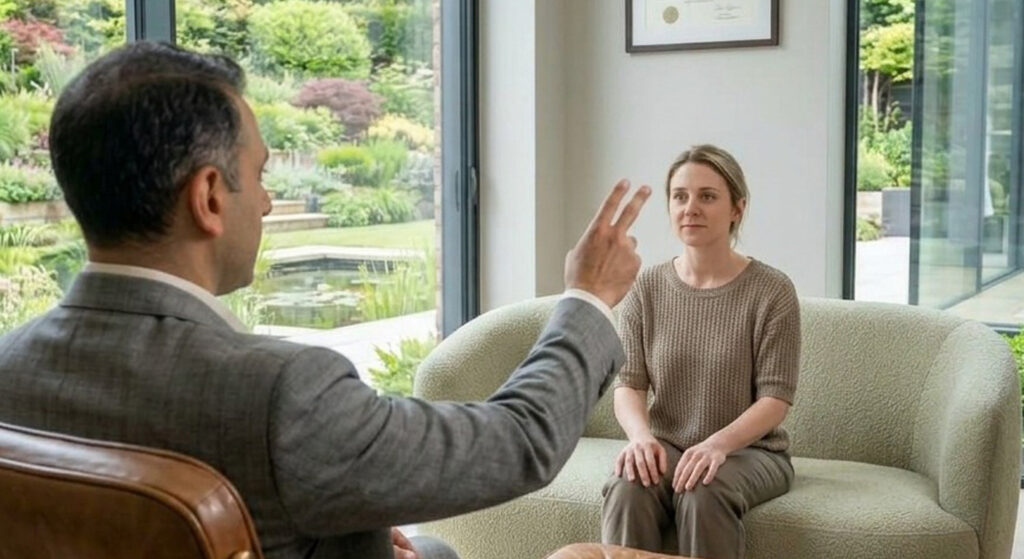
Eye Movement Desensitization and Reprocessing is a structured trauma therapy that helps the brain process distressing memories and experiences. EMDR does not require you to repeatedly describe every detail of what happened.
When EMDR is appropriate, we first build preparation and stabilization. We then identify the memory, associated beliefs, emotions, and body sensations and work through the established EMDR process. The pace is guided by your readiness and clinical needs.

My Trauma Informed Approach

Trauma work should not feel rushed. I use a collaborative and trauma informed approach that may integrate EMDR, Cognitive Behavioural Therapy, Dialectical Behaviour Therapy, mindfulness based approaches, emotional regulation skills, and other evidence informed methods.
We focus on both healing and functioning. The goal is not simply to talk about the past. It is to help you experience greater safety, choice, connection, and confidence in the present.
In Person and Virtual Counselling
In person appointments are available at my downtown Vancouver office. Virtual counselling is available to clients in British Columbia, Ontario, Alberta, Manitoba, and Nova Scotia when clinically appropriate.
Direct Billing Available
I offer direct billing to major insurance providers across Canada. Where available, I can submit your counselling claim directly to your insurance provider. Coverage depends on your individual benefit plan.
If you have questions about insurance, we can discuss them during your free 20 minute consultation, or you can contact me before booking.

Start With a Conversation

You do not need to decide whether EMDR is right for you before reaching out. We can first discuss what you are experiencing, what you would like help with, and which approach may be most appropriate.